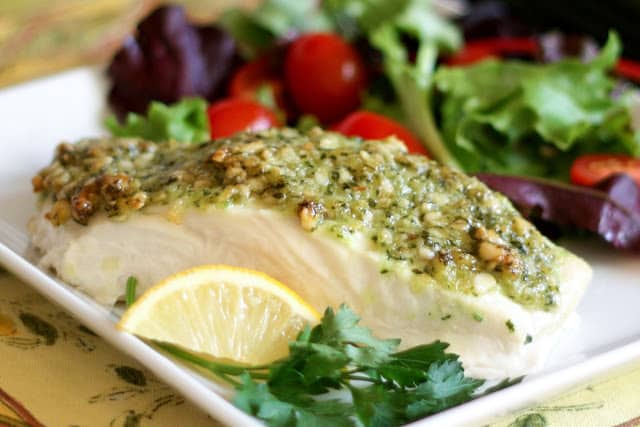
Unveiling the Magic of Gourmet Halibut with a Perfect Pine Nut Parmesan Crust
Imagine a dish that effortlessly blends sophisticated flavors with a comforting, home-cooked feel. That's precisely what you get with a perfectly
baked halibut with pine nut parmesan crust. This isn't just a meal; it's an experience, transporting you to sun-drenched coastlines and elegant dining rooms with every succulent bite. The secret lies in the delicate balance: the tender, flaky halibut providing a pristine canvas, elevated by a crunchy, aromatic crust that’s bursting with savory notes and a delightful texture. We're about to unlock the "secrets" to achieving this gourmet masterpiece in your own kitchen, transforming a simple fish fillet into an unforgettable culinary journey.
The allure of this dish often stems from its simplicity masking profound flavors. The rich, buttery notes of halibut are a perfect match for the earthy, nutty crunch of toasted pine nuts and the sharp, salty punch of Parmesan. Add a whisper of fresh herbs and garlic, and you have a symphony of tastes that’s both vibrant and deeply satisfying. This article will guide you through the precise steps, offer expert tips, and reveal the nuances that elevate a good dish to a truly gourmet creation.
Crafting the Irresistible Pine Nut Parmesan Crust: The Heart of the Dish
The crust is arguably the star, defining the character of this gourmet halibut. Achieving that golden-brown, crunchy, and flavorful topping requires a thoughtful approach to ingredients and technique.
- The Pine Nut Foundation: Pine nuts are the backbone of this crust. For an intensified nutty aroma and deeper flavor, always take the extra step to lightly toast them in a dry pan over medium heat before crushing. This simple act releases their oils and amplifies their natural sweetness. Once toasted and cooled, crush them coarsely – a mortar and pestle or even a sturdy zip-top bag with a rolling pin works wonders. You want texture, not a paste.
- The Parmesan Powerhouse: Opt for freshly grated Parmesan cheese, ideally Parmigiano-Reggiano. Pre-grated varieties often contain anti-caking agents that can hinder the crust's texture and melt differently. The sharp, salty, umami notes of good quality Parmesan are crucial for balancing the richness of the pine nuts and halibut.
- Aromatic Accents: Fresh herbs are non-negotiable for brightness and complexity. Fresh basil, finely chopped, introduces a peppery, slightly sweet, and incredibly aromatic quality that lifts the entire dish. If fresh basil is truly unavailable, a tablespoon of dried basil can substitute, but the vibrancy of fresh is unparalleled. Minced fresh garlic adds a pungent, savory depth that perfectly complements the other ingredients.
- The Binding Element: A good quality olive oil binds these ingredients together, creating a "crumbly yet cohesive" mixture that adheres beautifully to the fish. Some recipes, like the one adapted from Kalyn's Kitchen, also introduce a small amount of mayonnaise and pesto (basil or parsley) into the crust mixture. This alternative creates an even richer, more spreadable crust that delivers extra moisture and flavor, preventing dryness and ensuring superb adhesion. While our primary focus here is the olive oil binding for a lighter, crisper crust, exploring the mayonnaise/pesto variation can be a delightful experiment for those seeking a creamier, more robust topping.
When combining these elements, ensure they are thoroughly mixed until a slightly damp, crumbly consistency is achieved. This ensures even distribution of flavor and a uniform crust once baked.
Mastering the Halibut Bake: From Fillet to Flawless Finish
The preparation of the halibut itself is just as critical as the crust. Halibut is a lean, delicate fish that demands respect to prevent it from becoming dry or tough.
- Preheat and Prepare: Always start with a preheated oven set to 425°F (220°C). This high temperature is key for cooking the fish quickly and achieving a beautifully browned crust without overcooking the interior. Position your oven rack in the middle for optimal, even heat circulation.
- Fish Selection and Preparation: Choose fresh halibut fillets, ideally around 1-inch thick, for consistent cooking. If using frozen, ensure they are completely thawed and patted thoroughly dry with paper towels. Excess moisture can prevent the crust from adhering and lead to a less crispy result. Placing fillets on a baking tray, perhaps lined with parchment paper or foil for easy cleanup, is ideal. If your fillets have skin, place them skin-side down. Season generously with sea salt; this not only enhances the fish's natural flavors but also helps the crust adhere.
- Crust Application: Evenly distribute the prepared pine nut and Parmesan mixture over the salted halibut fillets. The "secret" here is to gently but firmly press the mixture onto the fish. You want to create a solid, cohesive layer that forms a protective, flavorful blanket over the fish. Don't be shy; a generous crust is part of the charm!
- The Perfect Bake: Bake for 10-15 minutes. The exact timing will depend on the thickness of your fillets and your oven's calibration. Halibut is done when it flakes easily with a fork and is opaque throughout. To test, insert a fork into the thickest part and gently twist; if it separates effortlessly, it's ready. Overcooking is the cardinal sin with halibut, leading to dryness, so keep a close eye on it. If the crust begins to brown too quickly, a loose tent of aluminum foil can protect it for the remaining cooking time.
- The Finishing Touch: Once out of the oven, don't forget those delightful, browned, and caramelized crusty bits left on the pan – they are packed with concentrated flavor and add an extra crunch when scraped off and served alongside the fish. For an extra bright finish, a squeeze of fresh lemon juice over the cooked easy baked halibut with pine nut parmesan crust is always welcome.
Elevating Your Baked Halibut: Expert Tips and Serving Suggestions
To truly make your
baked halibut with pine nut parmesan a gourmet affair, consider these additional insights and serving recommendations:
- Temperature Matters: Allowing your halibut fillets to come to room temperature for about 20-30 minutes before baking helps them cook more evenly. Cold fish tends to cook slower on the inside, increasing the risk of overcooking the exterior.
- Don't Overcrowd: Ensure adequate space between fillets on the baking tray. Crowding can lead to steaming rather than baking, which will prevent that glorious crispy crust from forming.
- Flavor Boosters: A subtle squeeze of lemon juice directly onto the halibut fillets before adding the crust can add a vibrant acidity that cuts through the richness of the fish and crust. Consider a pinch of red pepper flakes in the crust mixture for a subtle warmth.
- Side Dish Harmony: This sophisticated dish pairs beautifully with a variety of sides. Roasted asparagus, sautéed green beans with garlic, a simple lemon-herb risotto, or a light quinoa salad are excellent choices. For a classic pairing, serve it with creamy mashed potatoes or a crisp green salad with a vinaigrette dressing.
- Make-Ahead Magic: You can prepare the pine nut and Parmesan crust mixture a day in advance and store it in an airtight container in the refrigerator. This cuts down on prep time, making this an ideal dish for busy weeknights or entertaining. For a quick weeknight meal, remember that you can bake flaky halibut with pine nut parmesan crust in 15 minutes, making it a fantastic fast food alternative.
- Alternative White Fish: While halibut is superb, this crust recipe also works wonderfully with other firm white fish like cod, haddock, or even snapper, offering versatility without compromising on flavor. Adjust baking times slightly based on the thickness of your chosen fish.
In conclusion, the journey to a perfect
baked halibut with pine nut parmesan is one of attentiveness to quality ingredients and precise technique. From the careful toasting of pine nuts to the judicious baking of the delicate halibut, each step contributes to a symphony of textures and flavors. This dish, though elegant and seemingly complex, is surprisingly accessible and profoundly rewarding to prepare. By embracing these secrets, you're not just cooking; you're crafting an experience that celebrates the very best of gourmet home dining. So gather your ingredients, preheat your oven, and prepare to impress yourself and your guests with this truly divine seafood creation.